


7 steps before (and after) you invest
Most warehouses we work with aren't broken. They're just not working as hard as they could be: a few minutes of extra walking here, a workaround that's become permanent there, stock that's technically there but not 100% accurate. None of it looks urgent on its own, but add it together and it's where a lot of time, labour and margin quietly disappears.Before you get into automation, robotics or any large capital project, it's worth working through the basics in order. Get these right and you'll capture gains that cost little or nothing, and you'll know exactly where a bigger investment would pay off. Once you have invested, the final step makes sure it keeps paying back.
1. Know where your time, labour and margin are going
You can't fix what you haven't measured. Most operations have a rough sense of where the pressure is, picking can be slow, agency spend is creeping up, orders are taking longer to turn around, but a rough sense isn't enough to make informed decisions.
Start with the basics:
- Pick times
- Error rates
- Agency labour as a proportion of total labour cost
- How order turnaround has performed over the last six to twelve months.
Keep it simple and it'll show you where your costs sit. After that, everything that follows - from layout to process decisions - gets more straightforward to prioritise and justify.
2. Check your layout still matches your orders
Layouts are worth revisiting regularly. Product ranges update, order profiles change, new SKUs get added wherever there's a gap, and suddenly the busiest picks aren't necessarily the shortest walks.It's worth checking whether your fastest-moving lines sit closest to the packing area, whether pickers are regularly duplicating routes, and whether slotting still reflects current demand rather than last year's. None of this requires a reorganisation. It requires someone to walk the floor with current order data and check whether the layout still matches how the warehouse operates now.
3. Close the gap between process and practice
This is where a lot of hidden inefficiency lives, because it's invisible on paper. A process might be well documented and still not be what people actually do. Workarounds get adopted for good reasons and are never fed back into the standard way of working.Watch how work actually flows, then close the gap. Where a workaround exists because the official process doesn't work, change the process. Where it's a shortcut that's creating errors downstream, stop it. Either way, this is one of the few areas where you can make real progress before spending money on anything else.
4. Get your inventory data right
This one matters more than it usually gets credit for, because it's the foundation everything else in the warehouse sits on. Software can't optimise pick walks if the system doesn't know where stock actually is. Automation can't perform reliably on inventory data it can't trust. Even a straightforward layout change is harder to plan if you're not confident in your stock positions.Cycle counting discipline, clear put-away rules and closing the gap between what the system says and what's on the shelf are unglamorous work, but they're the difference between an optimisation project that sticks and one that quietly drifts back to where it started within a few months.
5. Train your team for the way you work now
Your team is your first automation system. Before any software or hardware gets involved, the speed and accuracy of a warehouse depend largely on how well people are trained, how quickly new starters get up to speed and how well your processes work day to day.Refreshed training isn't just a compliance exercise. It's one of the fastest, lowest-cost ways to close a productivity gap, and it's worth revisiting regularly rather than only when something's gone wrong. It also sets up the next step: a team that's confident and well trained on current processes adapts far better to new software or automation than one that's already overstretched.
6. Add software and automation where they solve a specific problem
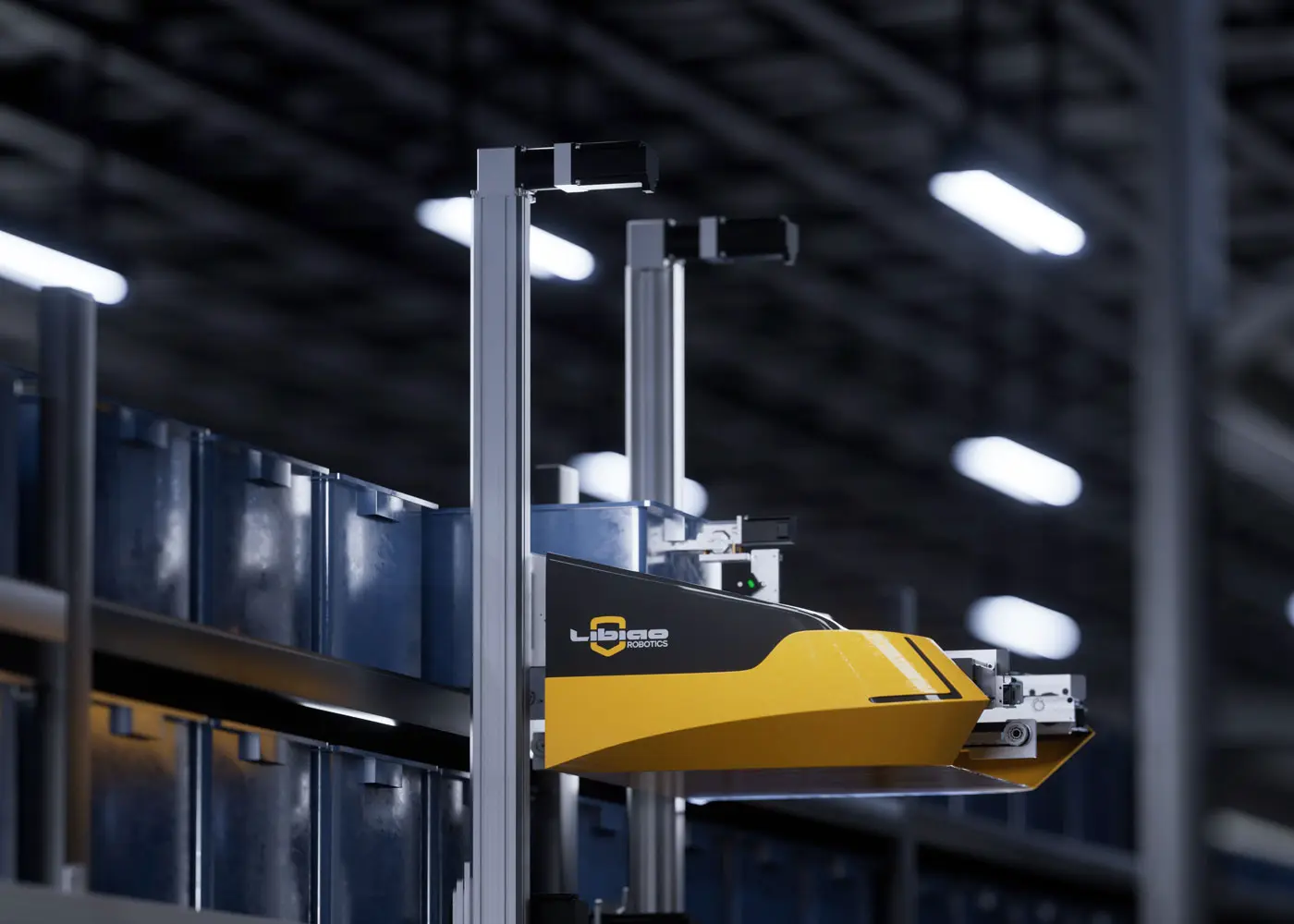
This is usually where people assume optimisation starts, but it works better as step six than step one. Everything above this point is what makes a software or automation investment pay off, rather than papering over problems underneath it.The good news is that this doesn't have to mean ripping out what you already have. A lot of the available gain comes from getting more out of the systems already in place: connecting into your existing WMS rather than replacing it, and using software to fix specific, measurable problems like picking walk distance or packing accuracy before considering hardware at all. Where a business does reach the point of needing robotics, sortation or goods-to-person systems, that decision is far easier to make well once the first five steps are done, because you'll know precisely which problem you're solving.
If this is the stage you're at, our guide on building a warehouse automation roadmap goes into this in more depth, including what tends to make sense as a first step, and the signals that suggest it's time to scale further.
7. Plan maintenance before you need it
Once you've invested in automation, the benefits depend on equipment that keeps working. Reactive maintenance is always a slower, costlier way to run a warehouse than planned maintenance.The more a warehouse relies on automated equipment, the more expensive unplanned downtime becomes. A maintenance schedule that was optional when everything was manual becomes an operational risk once it isn't.
Where to start
You don't need to tackle all seven at once, and you almost certainly shouldn't try. Start with the first: get a clear picture of where time, labour and margin are going, and the rest tend to prioritise themselves. Some issues will be free to fix; others will point to a software or automation decision. By that point, you'll be making it from evidence rather than guesswork.If you'd like a second pair of eyes on where your warehouse sits against this list, get in touch. We work through exactly this kind of assessment with warehouse and logistics teams across the UK, end to end, from the first diagnostic conversation through to whichever combination of software and automation works for your operation.